The Wine & Spirit Education Trust (WSET) is a leading global provider of qualifications in wines, spirits, and sake. I completed Levels 1, 2, and 3 through the Virginia Wine + Spirits Academy. Level 1 was an in-person experience, while Levels 2 and 3 were done online with live Zoom sessions led by Tracy Waldron. WSET Level 3 dives deeply into grape growing and winemaking, equipping you with the skills to evaluate wines accurately and confidently discuss their style and quality.

Upon registering for a course, you’ll receive the WSET Textbook, the Level 3 Systematic Approach to Tasting Wine (SAT), and a Study Guide, which includes maps and a practice exam. I also received 64 wine samples (50mL each) that we used in class and as homework for wine evaluation. These samples were essential for calibrating my palate and practicing the SAT. If you’re based in Richmond, Barrel Thief offers WSET tasting kits, a helpful option if your course doesn’t include wines.
The exam consists of two parts: tasting and theory. For the tasting portion, you have 30 minutes to evaluate a white and red wine using the SAT. The theory section lasts two hours and includes 50 multiple-choice questions and four short written answers (SWA), weighing 25 points each. I found the SWA to be the most challenging part.
Here are some resources and tips I used to pass WSET 3, aside from having a fantastic teacher like Tracy:
There are plenty of online study aids for WSET—Wine with Jimmy, Brainscape, and ThirftyFifty are just a few. I went with ThirftyFifty, purchasing their flashcards, mock exams, and chapter questions, which were a huge help. I’ll explain how I integrated them into my traditional course materials below. I also used Wine & Spirit IQ for printable maps. These highly detailed maps match those in the WSET study guide.
Understand the Level 3 Specification: This document outlines everything you need to know to succeed on the exam. Tracy recommended using it to structure our notes and as a reference to ensure we covered all the learning outcomes. I consulted it frequently, especially in the final weeks when I was fine-tuning my notes and reviewing the textbook.
Stay on top of reading and assignments: Tracy provided us with a 10-week schedule of assigned readings and tastings, which helped keep me organized. I’d take detailed notes on each chapter, then complete the ThirftyFifty chapter quizzes, review the flashcards, and annotate the corresponding map. This thorough process helped me earn a Distinction on the theory portion of the exam.
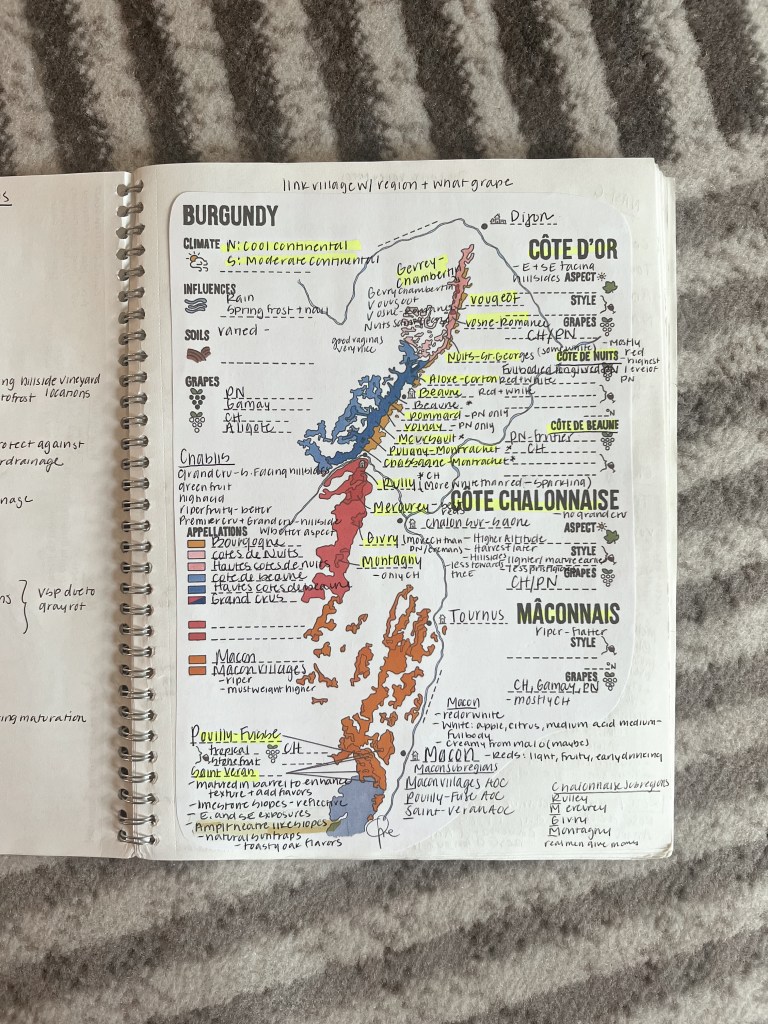


Do your homework: In addition to weekly readings, we were assigned 1-2 blind tastings. I’d email my SAT sheet to Tracy, and she’d provide feedback as if it were an actual exam. By the end of the course, I was consistently passing with Merit. Her feedback was invaluable, and I highly recommend taking advantage of it. We also had practice SWAs, which I found the toughest part.
Use flashcards, but don’t rely on them: I purchased the ThirtyFifty flashcards (about 3,000 in total) and reviewed them daily. They’re organized by chapter, which I found helpful, as I could focus on the material we were covering that week. Toward the end, I started pulling random cards to test my overall knowledge.
Practice SWA questions: Tracy sent us 1-2 short written answer (SWA) questions each week. Like with the tastings, we could email her our responses, and she’d provide feedback. Tracy mentioned during our first class that in her seven years of teaching Level 3, no student had ever passed the theory exam without practicing the SWA component. That motivated me to consistently practice! The ThirftyFifty chapter quizzes and mock exams also had plenty of SWA practice, and by the end, I’d completed them all. It was a lot of handwriting, which I hadn’t done in years, but it was definitely worth it. The key with SWA is making sure you answer the question directly, rather than dumping all the information you know. Take time to understand the question before you start writing, as you’ll need to apply your knowledge thoughtfully.
Review the textbook multiple times: Once I’d finished reading the textbook, I went back through each chapter, refining my notes and maps. Toward the end, I focused solely on reviewing my maps and ensuring they were aligned with the Specification’s requirements.

HAVE FUN: I won’t sugarcoat it—the WSET Level 3 exam is tough. The 10-week journey required a lot of sacrifice, but it was also incredibly rewarding. For me, it was more than just studying for an exam; it became a chance to dive deep into the material and actually put what I was learning into practice. One of my favorite parts was applying my new knowledge when I visited restaurants and reviewed their wine lists. It wasn’t just theoretical anymore—I could analyze the wines, understand their regions, and make informed decisions. That added a whole new layer of enjoyment to dining out.
Throughout the process, I found myself growing more confident, especially in tasting wines. The blind tasting aspect of the exam forces you to really hone your palate, and that skill has stuck with me. Now, when I taste a wine, I can break it down systematically, identifying key characteristics that I wouldn’t have noticed before. My overall understanding of the wine world has expanded so much, and it’s given me a new appreciation for the complexity and diversity within it.
While the course was demanding, it’s one of those experiences where you truly get out what you put in. By the end, I wasn’t just someone who passed an exam—I became someone who could engage with wine in a much deeper, more meaningful way. The knowledge you gain doesn’t stop at the exam; it continues to shape how you experience and appreciate wine in the real world.
Cheers,
Paige
 Sips and Trips with Paige